Public transport in Australia has become really, really complicated since my last visit about a year ago! Last year, I could go to the counter at the Airport and purchase a ticket and seniors day excursion. There is an airport surcharge, but after that I could travel anywhere for $2 a day. This year I was turned away from the counter and pointed to the machine. I don't like using machines, but I managed to purchase a single adult ticket to the station close to my children. There was no option for a senior ticket like there used to be.
A few days later I walked to North Sydney station to travel to town. The ticket office was closed, apparently permanently.The first machine did not sell tickets, it only topped up Opal cards. The machine on the floor below - found after quite a search - sold single tickets, but had no senior option. I paid $4.10 for a ticket to Town Hall - virtually within walking distance if you are fit and have time. There I looked around for somewhere to buy an Opal card, which seems to be essential for travel in Sydney these days. I could not find a ticket office. If there is one, it is well hidden. I wandered around aimlessly, wondering if I should get an Uber instead. Then I spotted a sign above the door at Woolworths, stating that they sold Opal cards. I had to buy an adult one, as one has to apply online for a seniors Opal card.
By last night, the credit on the card was almost run out, so I went online and tried to apply for a seniors gold Opal card. I filled in the form online, but when I came to the section where I had to fill in my name and sign, I could not complete the form, but was supposed to print, complete, sign and scan the form and my seniors card and mail or email to them. There is no printer or scanner where I am staying. This means that I have to go to town to buy a memory stick, walk a considerable distance back home, save the document, take it back to town to find a place to print it, complete it , have copies made of my seniors card, and have all scanned and emailed or mail it to Opal. And as I have an out of state seniors card, this Opal card will only be valid for 60 days!!
To get a NSW seniors card will take 2 weeks. By then my visit will be almost over. Keep in mind that several people of a certain age are not that comfortable with using the internet, and may find it very difficult and confusing to walk around with luggage in strange places to sort out travel tickets.
Why not have a clear sign and booth at the Airport station saying "Purchase your Opal ticket here. Please note it is essential for public transport."
Most travellers will have a passport and/or drivers licence with their BIRTH DATE on it. If they are old enough, please be kind enough to give them a seniors discount.
Seriously!! Sydney's public transport is NOT visitor friendly. And especially not senior friendly anymore.
Thursday, October 6, 2016

Sunday, May 29, 2016
Nuwe inligting oor die beste sterilisasie ouderdom vir honde.
Tydens lesings aan veeartse in Kaapstad in 2015 deur Drs Benjamin L. Hart DVM, PhD, DACVB en Lynette A. Hart, PhD, is plaaslike veeartse blootgestel aan nuwe inligting ten opsigte van die beste ouderdom om honde te steriliseer. Die Harts is beide verwant aan Universiteit van California-Davis se Veeartseny fakulteit.
In meeste wêreld dele word daar aanbeveel dat reuns en tewe op ongeveer 6 maande gesteriliseer word. Oor die afgelope dekade het daar egter navorsing na vore gekom wat aangedui het dat die ouderdom waarop diere steriliseer word,’ n rol speel by die ontwikkeling van gewrigsprobeme en kankers in sekere rasse.
‘n Groot en belangrike oorweging vir vroëe sterilisasie is troeteldier bevolkingsbeheer. Onbeheerde teling lei tot ernstige welsyns probleme. Veeartse aanvaar ook die algemene kennis dat kankers van die prostaat by reuns en melkkliere by tewe verminder of voorkom word deur jong sterilisasie. Daarby word dit ook aanvaar dat reuns wat jonk kastreer word, minder aggressiewe gedrag vertoon as die wat op ‘n later ouderdom kastreer word.
Die Harts het UC Davis se Veeartseny Opleidings Hospitaal se gerekenariseerde rekords oor die langtermyn ontleed om te bepaal of die ouderdom van sterilisasie ‘n invloed op sekere ander toestande het. Die hospitaal sien 50 000 gevalle per jaar.
Hulle het op 8 gewilde honderasse konsentreer. Groot rasse wat bestudeer is, is Golden Retrievers, Labradors en Duitse Herdershonde. Gewilde klein ras honde wat geselekteer is vir die studie is Chihauhas, Yorkshire Terriers en Shi Tzus. Twee lang rug rasse, nl. worshonde en Corgis en is ook by die studie ingesluit.
Golden Retrievers
Die opmerklikste verskille tov sterilisasie ouderdom is in die ras teengekom. In hierdie ras is die voorkoms van gewrigsprobleme redelik hoog. 5% van intakte reuns en tewe ontwikkel ‘n toestand van minstens een gewrig. Reuns wat jonger as 6 maande kastreer is, het ‘n toename in risiko om gewrigsprobleme in minstens een gewrig te kry tot 5 keer hoër as intakte reuns. Tewe se risko vermeerder met 4 keer as hulle jonger as 6 maande steriliseer word. Met sterilisasie tussen 6 en 11 maande is die risiko steeds 2 tot 3 keer meer as in intakte reuns en tewe.
Ten opsigte van die voorkoms van kanker was die verskille tussen geslagte meer opmerklik. Intakte reuns se risiko om limfoom te ontwikkel, is 4%. Reuns wat tussen 6 en 11 maande kastreer is, se risiko is 3 keer meer.
Hulle aanbeveling is dus dat Golden Retriever reuns ouer as 12 maande moet wees voordat hulle kastreer word om ‘n toename in gewrigs probleme en kankers te voorkom.
By intakte tewe is die risko van kanker 3%. Tewe wat op enige ouderdom gesteriliseer word, se kanker risiko is 3 keer meer.
Dit laat my wonder of soortgelyke studies op mense gedoen is? Verhoog histerektomie met verwydering van eierstokke in vrouens die risiko van kanker?
Labradors
Intakte reuns en tewe se risiko om minstens een gewrigsprobleem te hê, is 5%. As reuns jonger as 6 maande kastreer word, verdubbel die risiko. Met kastrasie na 6 maande is daar nie ‘n verhoogde risiko nie.
In tewe verdubbel die risiko van gewrigsprobleme as hulle jonger as 1 jaar gesteriliseer word. Die Harts beveel dus aan dat Labrador tewe eers na hulle eerste lewens jaar gesteriliseer behoort te word. Die voorkoms van kankers in intakte Labradors is 3 tot 4%. Sterilisasie op enige ouderdom beinvloed nie die risiko nie.
Duitse Herdershonde
Intakte honde se risko vir een of meer gewrigsprobleme is 5 tot 7% . Sterilisasie van reuns en tewe jonger as 1 jaar verhoog die risiko 3 keer. Hoewel heup displasie in die ras baie aandag geniet, word vroëe sterilisasie meer dikwels met skeuring of ruptuur van die kraniale kruisligament in die knie gewrig assosieer.
Klein honderasse
In die klein honderasse wat bestudeer is, is gewrigsprobleme feitlik afwesig. Vroëe sterilisasie word assosieer met slegs ‘n 1 tot 3 % voorkoms van ‘n gewrigsprobleem. Dit word nie as statisties betekenisvol geag nie. Kankers in intakte honde se voorkoms wissel van 0 tot 2%. In gesteriliseerde reuns en tewe is die voorkoms minder as 1%. Dit lyk dus asof jong sterilisasie nie enige gesondheid risiko vir die klein honderasse inhou nie.
Lang rug honde
In Worshonde is gewrigsprobleme in intakte honde feitlik afwesig. Sterilisasie van beide geslagte verhoog nie die risiko nie.
Corgis het ‘n hoë voorkoms van gewrigsprobleme van 6 to 7%. Sterilisasie op enige ouderdom beinvloed dit nie.
Kankers in worshonde is baie skaars. Daar was geen voorkoms van enige van die kankers wat in die studie oorweeg is, in intakte of gesteriliseerde worshonde nie. Intakte Corgis se kanker voorkoms is 3 tot 5%. Sterilisasie op enige ouderdom verander dit nie.
Die voorkoms van tussenwerwel skyfie probleme in worshonde is so hoog as 30 tot 50%. Sterilisasie van beide geslagte beinvloed nie die syfers nie. Corgis se risiko vir die toestand is 3 tot 5%. By hulle het sterilisasie ook geen invloed op die voorkoms hiervan nie.
‘n Groot oorweging ten gunste van jong sterilisasie van tewe is dat dit die risko van melkklier kanker heeltemal uitskakel, indien dit voor die eerste hitte gedoen word. In die rasse in die studie was die voorkoms van melkklier kanker in intakte tewe nie meer as 6% nie.
Vroëe sterilisasie verhoog die voorkoms van urien lekkasies in tewe met tot 10%. Die probleem is glad nie gesien in intakte tewe wat die Harts tot op 8 jaar gevolg het nie.
Wat probleem gedrag in reuns aanbetref, was die Harts se gevolgtrekking dat die waarskynlikheid dat laat kastrasie sal help om aggressiewe gedrag te onderdruk ewe groot as die waarskynlikheid dat vroëe kastrasie dit sal voorkom.
Die gevolgtrekking uit die studie is dus dat dit blyk asof jong sterilisasie van klein rasse geen negatiewe uitwerkings tov gewrigsprobleme en kankers het nie en dat die aanbeveling van sterilisasie teen ongeveer 6 maande nie verander hoef te word nie.
By die groot rasse wat bestudeer is, was daar rasverskille en net drie rasse is bestudeer. In die algemeen lei ek egter af dat groot rasse nie voor die begin van hulle 2 de lewensjaar gesteriliseer behoort te word nie. Dit sal ongelukkig meebring dat van die tewe op hitte sal kom met die probleme wat dit inhou. My raad sou dus wees om die voor en nadele met u eie veearts te bespreek, met inagneming van u eie omstandighede en van die feit dat die inligting nog nie algemeen toegepas word nie. Van die inligting weerlê “feite” wat ek as korrek aanvaar het gedurende my lang loopbaan as veearts. Dit is egter so dat voortdurende navorsing en die beskikbaarheid van veel meer data, sowel as die vermoë om dit te ontleed van tyd tot tyd tot nuwe kennis en beter metodes in my beroep sal lei.
Wednesday, May 25, 2016
Thursday, April 14, 2016
Friday, April 1, 2016
High Flight by J.G. Magee
Oh, I have slipped the surly bonds of earth,
And danced the skies on laughter-silvered wings;
Sunward I've climbed and joined the tumbling mirth
Of sun-split clouds, and done a hundred things
You have not dreamed of- wheeled and soared and swung
High in the sunlit silence.
Hov'ring there,
I've chased the shouting wind along and flung
My eager craft through footless halls of aie.
Up, up the long delirious burning blue,
I've topped the windswept heights with easy grace,
Where never lark, nor even eagle flew;
And while with silent, lifting mind I've trod
The high untrespassed sanctity of space,
Put out my hand and touched the face of God.
And danced the skies on laughter-silvered wings;
Sunward I've climbed and joined the tumbling mirth
Of sun-split clouds, and done a hundred things
You have not dreamed of- wheeled and soared and swung
High in the sunlit silence.
Hov'ring there,
I've chased the shouting wind along and flung
My eager craft through footless halls of aie.
Up, up the long delirious burning blue,
I've topped the windswept heights with easy grace,
Where never lark, nor even eagle flew;
And while with silent, lifting mind I've trod
The high untrespassed sanctity of space,
Put out my hand and touched the face of God.
Remember me ...........
Do not stand at my grave and weep
I am not there. I do not sleep.
I am a thousand winds that blow.
I am the diamond glints on snow.
I am the sunlight on ripened grain.
I am the gentle autumn rain.
When you awaken in the morning's hush
I am the swift uplifting rush
Of quiet birds in circled flight.
I am the soft stars that shine at night.
Do not stand at my grave and cry;
I am not there. I did not die. By Mary Frye
I am not there. I do not sleep.
I am a thousand winds that blow.
I am the diamond glints on snow.
I am the sunlight on ripened grain.
I am the gentle autumn rain.
When you awaken in the morning's hush
I am the swift uplifting rush
Of quiet birds in circled flight.
I am the soft stars that shine at night.
Do not stand at my grave and cry;
I am not there. I did not die. By Mary Frye
Sunday, March 13, 2016
Holiday accommodation, Clanwilliam
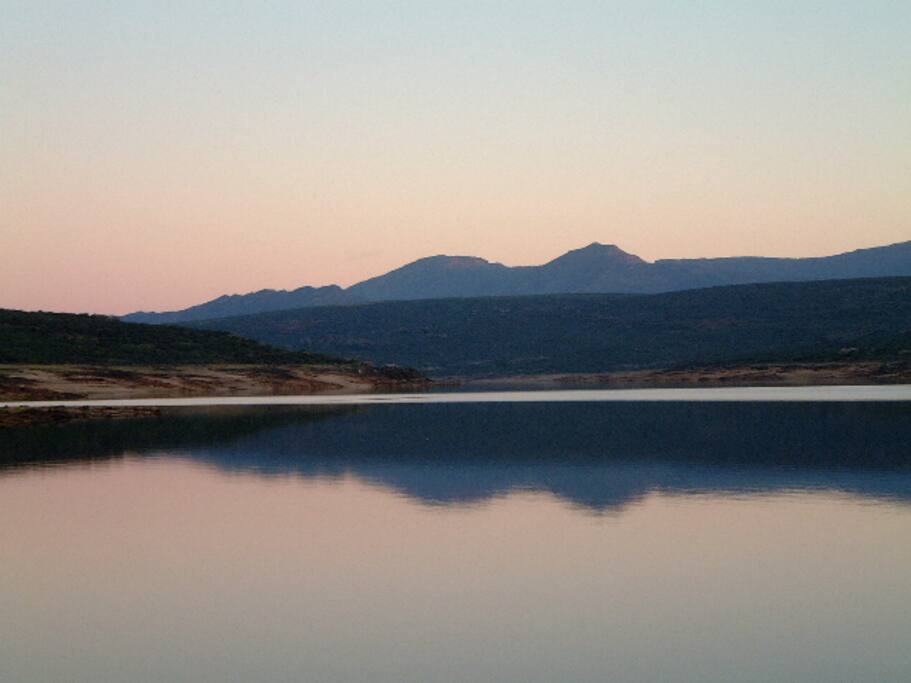
Charming log home on lake with view
Clanwilliam, Western Cape, South Africa
Peace, tranquility, a view to die for, a lake to swim in, birds in the treetops, a no-maintenance indigenous spring flower garden. Clanwilliam is off the N7 highway, which has recently been upgrade...Holiday Rentals in Clanwilliam
Tuesday, February 23, 2016
Train your pet to accept grooming and nail trims.
http://www.pethealthnetwork.com/dog-health/dog-grooming/train-your-pet-love-grooming-and-nail-trims
The Assyrian
The Assyrian came down like a wolf on the fold
And his cohorts were gleaming in purple and gold
And the sheen of his spears was like stars on the sea
Where the blue waves roll nightly on deep Galilee
Like the leaves of the forest when summer is green
The host with its banners at morning was seen
Like the leaves of the forest when summer has fled
The host with its banners lay withered and dead
For the angel of death spread his wings on the blast
And breathed in the face of the foe as he passed.
Author: D E Jordaan
Isaiah 37:36
And his cohorts were gleaming in purple and gold
And the sheen of his spears was like stars on the sea
Where the blue waves roll nightly on deep Galilee
Like the leaves of the forest when summer is green
The host with its banners at morning was seen
Like the leaves of the forest when summer has fled
The host with its banners lay withered and dead
For the angel of death spread his wings on the blast
And breathed in the face of the foe as he passed.
Author: D E Jordaan
Isaiah 37:36
Housetraining dogs of any age.
These housetraining tips are suitable for dogs of any age. https://goo.gl/9HSnLjhttps://apdt.com/docs/resources/housetraining.pdf
Wednesday, February 10, 2016
Tuesday, February 9, 2016
Saturday, November 28, 2015
A dozen reasons why vets should not try to kill themselves. Dr. Oliver Liyou
A dozen reasons why vets
should not try to kill themselves
- From
someone who tried!
Dr Oliver Liyou BVSc (Hons1) MANZCVSc
(Eq Dent)
Introduction
Suicide is a
delicate topic to discuss at any time, and there appears to be a major problem currently
in our profession, leading to the statistics that a veterinarian is four times
more likely to commit suicide than the average citizen.
Whether you are a
veterinarian, veterinary nurse, work in a veterinary practice or institute, or
a member of your family does, I encourage you to read and consider the article
below.
I have written it
from my both my head and heart, to try to offer some ideas that may help
prevent others make the mistakes I have made in my journey called life. I sincerely
hope that it is not offensive, upsetting or misleading to anyone who reads it.
I am not a qualified mental health professional, but have received a
substantial amount of assistance from mental health professionals, and am
eternally grateful for the work they do, along with the wonderful support I
have received from my family, staff, friends and clients.
So please read on
for my list of 12 reasons why vets should not try to kill themselves:
1) We
are very good at it!!!
We are paid in our jobs to euthanase living organisms! From turtles, to horses
to lizards and birds, we can put things “to sleep” very well and spend a lot of
time in our training and careers focusing on removing pain from lives of our patients!
For
the general population, the statistics are that for every successful suicide
attempt, there are 20 who don’t succeed. That represents a “success rate” of
converting a suicidal thought to a suicide of 4.7 %. I am not sure what the
“success rate” for suicide attempts is for veterinarians? Could it be that we
are actually no more at risk of attempting suicide than the average citizen,
but just far more effective at carrying it out?
2) Devastation
to the family. This one is
self-explanatory, but should never be underestimated! No matter what the
reason, the feelings of devastation, despair, regret, guilt, sadness, loss,
anger, shame etc. in the family are
enormous. No family deserves to go through this!
If,
like me, you do not “succeed”, there is just as much pain in the road to
recovery as the pain you were trying to relieve through the action! Painful
emotions such as shame, guilt, regret, sorrow and loss are all abundantly
common! The road to recovery for you and your family will not be easy!
Should
you be affected by depression and suicidal thoughts, it is important to know
the potentially harmful and dangerous
effects on your mind that certain drugs may have. For example, in my case,
the concern of hurting my family had prevented me from acting on suicidal
thoughts literally hundreds of time before in my life, since the age of 10
through to 33 years old. But under the effect of SSRI antidepressants for the
first time in my life, my mood and thoughts became severely altered, and
suddenly the “seemingly logical advantage of suicide was presented to my
thought pattern, and I acted on that new and convincing belief”! Alcohol and illicit
drugs could also render you more like to act on suicidal thoughts, through
removal of inhibitions, so need to be avoided at all costs when depressed!
3) We should NEVER
let our subconscious mind start to apply to ourselves the common veterinary
advice that “the animals we euthanase
will be out of pain and in a far better off and happier place once we have put
them to sleep”.
One
experienced horse vet once said to me, “you know you are in trouble when you
start believing the bullshit stories you tell clients at times in trying to
simplify a situation!” The reality is that Fifi and Patch are just going into a
cold hole in the ground, and not up to fluffy paddocks in the sky where they
can play unconditionally with their friends and be eternally happy!
The above paragraph may sound crazy to you,
but it is hard for a sane minded person to understand the thought patterns of
someone who is about to kill themselves! I for one vividly remembered a clear
authoritative voice telling me to “just DO IT and then you will be able to be
an angel and be with your wife and boys 24/7 and look after them all the time
and forever, and no longer have to work so much and rarely see them! Just DO IT
OLIVER!!!!”
4) The cost
to the business you were working in is massive, due to the rapid onset of
the tremendous disruption, uncertainty in the clientele etc. It all often
results in a major downturn in turnover and thus more financial hardship.
Litigation is now a very real possibility with the
responsibility of work places to provide “safe” workplaces, both physically and
psychologically!
5) There
is no evidence that things will be better and less painful being dead! What
if you are sent to the burning fires of Hell? What if the kids who beat you up
as a kid and all the people you have been unkind to are waiting for you in your
next life? What is there is a pack of hungry lions waiting to eat you? Suicidal
minds are only assuming that they are going to escape the pain that is
hurting them, but there is absolutely no proof – ever!
Almost everything can be improved somehow no
matter what the problems are. Usually the problems we are worried about are
“First World Problems”, and their magnitude is often being amplified in our
depressed and anxious minds. In Australia, even with worst case scenario, we
still have food, a roof over our head, and the chance to rebuild our
relationships and businesses should they fail.
A wise man once told me, “We were born single and broke, and will be
buried single and with empty pockets, so anything in between is a bonus
really?”
6) No
one expects you to be perfect,
and as a veterinarian, you are likely to be a high achiever - who is known to
be at times to be their biggest critics! Be kind to yourself!
There are other more sustainable and proven methods to reduce the pain and anguish
and help guide you through the high risk period that WILL pass! e.g. talking to
a friend, going for a run (exercise is a powerful therapy and releases
endorphins), taking a holiday, seeking counselling, starting CBT course,
meditation, phoning the:
a) AVA Counselling Service 24/7 1800 337 068
b) Mental Health Line 1800 011 511
c) Lifeline 13 11 14
e)
http://www.blackdoginstitute.org.au
f) Doctors Help Advisory Service in each state of
Aust. NSW 02 9437 6552
7) Remember that 20 per cent of society suffers from mental health issues, and that pets
are a very popular and useful therapy to help them with their health issues.
Thus a vet clinic is often a common
place for them to take their pets, especially when they are worried about
their beloved pet. So when you are being abused by an unreasonable client,
consider that it is often not so much about your inadequacies as a vet, as it
is their mental health “playing up” on them.
If you are being abused by a client, practice
the skill of “Ducking and dodging” their abuse and be pleased that you are intelligent
enough to not take it personally. But
you may need to set some boundaries for them after the event, as it is neither
pleasant nor acceptable, especially if it recurs!
8) Even the most solid personal relationships are likely to come under severe strain and
possibly fail sooner or later. As a
veterinarian, you have acquired many life skills and attributes that will make
you attractive as a long term partner should your current partner decide that
having a vet as a partner is no longer for them!
Should you attempt suicide, with relationship
break down as a contributing factor, and survive, then the chances of
resurrecting the relationship, or convincing someone else to “take you on” will
be far less than had you got help before and thus prevented the suicide
attempt.
The
past does not equal the future, so long as you take notice to not keep making
the same mistakes with your new partner. And remember that you need to work
hard at your relationship - just as you do with your career, physical health,
business etc., should you want to build a great long term relationship that you
can rely on and enjoy.
And
always remember if you “get dumped” there are always plenty more fish in the sea! Delays in finding the right
partner never means it will not happen! So be patient and focus on being happy,
healthy, energetic, going forward etc.,
and you will become more attractive to others than you could ever dream of!
Remember
that happiness comes from within and
relying on a partner for your happiness is doomed to fail!
9) If
you survive the suicide attempt
(possibly less likely being a veterinarian):
a. You may
reduce your future employability as
a vet or any other jobs should you attempt suicide and survive. It is not a good thing to have on your “reputation’s
CV”!
b. You will struggle to get a gun licence if you have suicide attempt
in your history! Not a big problem, unless you want to start shooting, or buy
your kids an air rifle as I did! J
c. Your income insurance may not pay out for
loss of income, as they often have a question in their application form, “Have
you ever been stressed, anxious or depressed?”
Even if you are not officially diagnosed with these conditions, if there
is ANY evidence of these that comes up in your medical history, they will may pay
you when you are not working in recovering from your attempt!
d. You will struggle
to get income insurance in the future. If you do, it will likely have
exclusion on mental health issues.
e. You may struggle
to attract employees in the short term, until you get “back on track” etc.
f.
You
will likely lose some clients
especially if they are personally upset or insulted by your actions.
g. Your new
lover may be suspicious, warned off, worried or anxious of you until you
prove that you are stable and on the mend long term.
h. You may carry substantial mental and possibly physical scars.
i.
Your
family’s scars are likely to be
equal to or even greater than yours, whether you survive or not! Like mine, they
may have gone through the horrendous period of wondering if you would survive, when
you were “peacefully sleeping”, oblivious to the magnitude of the stress of the
situation.
10) We are so, so lucky to live in Australia and not a third world country in turmoil
etc. No matter how stressed or depressed
you are, you should never ever forget to remind yourself of this fact! If you
think your life is bad, a lot of people living in the graveyard would surely
like to swap places! Never underestimate
the power of “stopping to smell the roses” and “stay positive at all costs – no
matter what!!! “
11) There is so
much better recognition, acceptance, understanding of mental health nowadays
than even 10 years ago. Whether you think you are vulnerable or not, you
need to learn about it! If it is not you who becomes affected, it is likely
someone close to you will – sometime in your lifetime! No one is immune to the
woes of being struck by and devastated by depression, anxiety and suicide!
I lost a personal veterinary friend, who had
been very successful in every aspect of his life, to a point of being so damned
busy that he couldn’t juggle all the balls anymore – he had become too popular,
and everyone demanded more and more of his time! He had visited me in hospital
when I was recovering from my single suicide attempt in 2005. I remember him
sitting by my bed, telling me that he had never thought of it, and could never
imagine doing such a thing! 2 years later, he was dead, having used the same
method I tried!
So if you find yourself climbing the career
ladder so “successfully”, that everyone wants you and only you, remember
to set up “safe havens” where you can enjoy some “you time”, have a laugh and smell the roses. And look after those who
matter most to you!

STOP
PRESS: Heads
Up was launched in May 2014, with a PwC report revealing that
Australian businesses receive an average return on investment of $2.30 for
every $1 they spend on effective workplace mental health strategies. www.headsup.org.au
The
research looked at the impact the mental health of employees had on their
productivity and the number of compensation claims lodged. Absenteeism, reduced
worker productivity and claims resulting from employees’ mental health
conditions such as depression and anxiety cost Australian employers at least
$10.9 billion a year.
The
report, along with other research released throughout the campaign focusing on
the attitudes of business leaders and employees, provides a compelling case for
businesses to get involved and introduce Heads Up strategies into
their workplaces.
The
campaign’s centrepiece is the Heads Up website, where
business leaders and managers can find out why they could be losing money if
they are not investing in employees’ mental health. They can also sign up for
practical advice about how to have a more mentally healthy workplace and they
can access, free of charge, a range of useful ideas.
The
Heads Up Action Plan
allows businesses to create tailor-made mental health plans on the website,
based on their priority areas. The unique mental health action plans are
accompanied by a suite of free resources.
There’s
also an interactive questionnaire on the site to help workers struggling with
depression or anxiety to decide whether they should tell their employer or
colleagues about their mental health condition. This is a personal decision for
the individual with no wrong or right answer, and it can be helpful to weigh up
the pros and cons.
12) We are so lucky
to live in an era where there is a lot less stigma about mental health,
thanks largely to the work of the health profession educating the media.
Politicians and sports stars “coming out” and admitting they need to take a
step back due to mental health issues sure has made it easier to step up and
admit to others that you have a problem and are taking steps to address it!
Australia has an increasingly strong support
system for Mental Health, with over 2500 psychiatrists and over 25,000
psychologists who you can access help and advice from.
However
I did get some good advice from a very successful veterinarian friend who had a
long history battling the “gremlins of depression”. He told me that it will
take some time, trial and error to find
the right therapist. His theory was that half of the mental health
professionals followed the path of mental health to try to sort themselves out,
the other half did it to help others! “You need to find a therapist from the
latter group! “ he told me!
I
saw no less than 4 psychiatrists following my suicide attempt, in two different
hospitals, and I really felt uncomfortable with all of them, as if they were
not interested or did not believe my words. And then I was recommended one in
Brisbane, who I felt “believed” me, and immediately my progress improved.
It
is with great relief now that I can have sessions
via Skype with this specialist doctor in Brisbane when I am in Grafton.
This will be especially beneficial to those affected in rural areas – where a
choice of highly qualified and experienced therapists is extremely limited.
In my case, in rural NSW, the combination of a
psychologist (not qualified to prescribe antidepressants ) giving me a piece of
paper with “Arapax” written on it, to “take to my GP and get a script”, led to
a serious mood disturbance eight days later that I was not warned about, and
almost led to me losing my life! All I was warned of was that it may give me
stomach upsets!!! L
There
is now more education on life balance
to protect and insulate us from the stresses of living in the age of ever
increasing standards of communications, continuing education, management etc.! It is great to see organisations such as AVA,
EVA, UVG, Deiderik Gelderman etc. all running lectures and seminars on these
topics. Ignore them at your peril!
We
now know more about avoiding the trap of
becoming a seriously good veterinarian, but being “penalised” in some way
through becoming too busy and thus overwhelmed. Once a certain level of
popularity is gained by a veterinarian, it can easily become a case of “the
wider you open your doors, the more clients come in, and the more staff turn to
you with their problems etc.!” So unless
you learn to say no, and/or develop and
implement systems to successfully manage and mentor your clients and staff,
you are doomed to fall from grace in some way, despite your having climbed “the
ladder or success!”
Remember that our lives and careers are a
journey and not a race!
It is a journey that has a path like the flight path of an airplane. Rough
winds and external forces may push you off the direct path 95 % of the time,
but so long as you don’t panic, and get back on track, you will eventually
reach your desired destination – calm, fulfilled and happy!

Oliver
and his 3 amazing boys at a footy game 2014.
Friday, November 13, 2015
Notes on otitis externa
Acute: Cyto: G+ and cocci - Neomycin
Betadine= povidone-iodine 10% - dilute 1 in 10 for 1:50 povidone iodine - intact tympanum, 1 in 20 (1:100) perforated tympanum.
culture: Staph,Strep
Chlorhexidine 2% - dilute 1:40 in water.
Acetic acid (white vinegar 5%) dilute 1:3 in water. Conc of 2 - 5% is irritating.
Cyto: G- bacilli
Culture Proteus sp, E coli
Topical: Neomycin, polymycins, gentamycin.
Acetic acid (white vinegar 5%) dilute 1:3 in water,
Povidone-iodine 1:50 intact tympanum, 1:100 perforated.
Cyto: yeast: Nystatin, thiabendazole, miconazole, clotrimazole
Chronic resistant otitis:
Yeast: topical: clotrimazole, miconazole, silvadene.
Systemic: Ketoconazole 5mg/kg twice daily for 2 to 4 weeks.
Itraconazole 5 to 10mg/kg once daily for 2 to 4 weeks.
Gram neg bacilli:
Pseudomonas sp.
Topical: Gentamycin, polymycin B, colistin or polymycin E.
Polyhydroxine iodine, diluted 1:3 to 1:5 in water and applied twice daily.
Systemic: Ormetoprim-sulfadimethoxine, trimethoprim-sulfonamide, 1st generation cephalosporin.
Pseudomonas sp. cultured.
Topical: Ticarcillen - add 4 grams to 4 oz bottle Oticlens.
Tobramycin
Enrofloxacin(Baytril) diluted 50% in water, 3 to 5 drops twice daily.
Amikacin sulfate undiluted (50mg/ml)
5 to 6 drops twice daily.
Siver sulfadiazine diluted 1:1 in water , 4 to 12 drops twice daily.
TRIS - edetic acid - gentamycin solution
Systemic
Enrofloxacin, marbofloxacin, orbofloxacin, gentamycin
Skin and skin structures:
Synulox, cephalexin, enrofloxacin.
Ears G- bacteria
Pseudomonas - painful, copious light yellow to green exudates, often ulcerated epithelium.
Proteus - light yellow exudates, ulcerated, chronicity.
E.coli - light yellow exudates
Malassezia - dog - light brown to chocolate brown exudate; cat brown.
G+ bacteria
Staph - light brown, pale yellow
Strep (Beta hemolytic) light yellow to light brown.
Otodectes cynotis (ear mite) - dark brown exudates.
Antifungal in ears:
Chlorhexidine
Thiabendazole
Silver sulfadiazine
Clotrimazole
Nystatin
Monosulfiram
Miconazole
Zinc undecylenate
Betadine= povidone-iodine 10% - dilute 1 in 10 for 1:50 povidone iodine - intact tympanum, 1 in 20 (1:100) perforated tympanum.
culture: Staph,Strep
Chlorhexidine 2% - dilute 1:40 in water.
Acetic acid (white vinegar 5%) dilute 1:3 in water. Conc of 2 - 5% is irritating.
Cyto: G- bacilli
Culture Proteus sp, E coli
Topical: Neomycin, polymycins, gentamycin.
Acetic acid (white vinegar 5%) dilute 1:3 in water,
Povidone-iodine 1:50 intact tympanum, 1:100 perforated.
Cyto: yeast: Nystatin, thiabendazole, miconazole, clotrimazole
Chronic resistant otitis:
Yeast: topical: clotrimazole, miconazole, silvadene.
Systemic: Ketoconazole 5mg/kg twice daily for 2 to 4 weeks.
Itraconazole 5 to 10mg/kg once daily for 2 to 4 weeks.
Gram neg bacilli:
Pseudomonas sp.
Topical: Gentamycin, polymycin B, colistin or polymycin E.
Polyhydroxine iodine, diluted 1:3 to 1:5 in water and applied twice daily.
Systemic: Ormetoprim-sulfadimethoxine, trimethoprim-sulfonamide, 1st generation cephalosporin.
Pseudomonas sp. cultured.
Topical: Ticarcillen - add 4 grams to 4 oz bottle Oticlens.
Tobramycin
Enrofloxacin(Baytril) diluted 50% in water, 3 to 5 drops twice daily.
Amikacin sulfate undiluted (50mg/ml)
5 to 6 drops twice daily.
Siver sulfadiazine diluted 1:1 in water , 4 to 12 drops twice daily.
TRIS - edetic acid - gentamycin solution
Systemic
Enrofloxacin, marbofloxacin, orbofloxacin, gentamycin
Skin and skin structures:
Synulox, cephalexin, enrofloxacin.
Ears G- bacteria
Pseudomonas - painful, copious light yellow to green exudates, often ulcerated epithelium.
Proteus - light yellow exudates, ulcerated, chronicity.
E.coli - light yellow exudates
Malassezia - dog - light brown to chocolate brown exudate; cat brown.
G+ bacteria
Staph - light brown, pale yellow
Strep (Beta hemolytic) light yellow to light brown.
Otodectes cynotis (ear mite) - dark brown exudates.
Antifungal in ears:
Chlorhexidine
Thiabendazole
Silver sulfadiazine
Clotrimazole
Nystatin
Monosulfiram
Miconazole
Zinc undecylenate
Monday, November 2, 2015
Monday, October 26, 2015
Monday, October 12, 2015
Real Survivor
Left on a tropical island with no food or water sounds like the stuff movies or (more recently) reality TV is made off.
In the seventies, when I was a student at Onderstepoort, I joined Exploratio (University of Pretoria) on a diving trip to Bazaruto. Two post grad students were in charge of the group of about 20. They had organized enough food for a three week stay for those who had booked in advance. At the last minute 4 extra students joined. The food supply was not increased as it was too late. We travelled by car to Vilanculos in Mozambique, My very tall boyfriend and I occupied the back seat of a very small saloon car driven by another student and his girlfriend. About halfway up the length of Mozambique, we stopped at a deserted beach to overnight. We took our sleeping bags quite a distance from the car to sleep on a dune overlooking the ocean. It was delightful until about midnight when a sudden thunderstorm drenched our sleeping bags and us to the bone, necessitating an emergency return to the car and a very cramped and wet night in the car.
Vilanculos was delightful. We had little time to explore as the working fishing boat which was taking us to the island, was almost ready to depart. It was a long trip, as he first headed north in the channel between the islands and the mainland, before swinging widely around the north end of Bazaruto to anchor in a bay on its eastern, ocean facing side. We had to wade through chest high water to the beach, passing our luggage along over our heads.
We camped on the beach, above the high water mark. There were two large tents, but we mostly slept under the stars. During the night one would often be woken up by a scratching sound under your sleeping bag. Upon lifting your bag, it would be a crab trying to dig its way out.
The weather was perfect, the ocean crystal clear. The bay where we disembarked was protected by a reef and the snorkelling, especially for a child of the Karoo, unbelievable. Initially the group got on very well. The fish speared by the serious divers who ventured behind the reef, were tasty and nutritious additions to our stock of cereals, canned and dried foods and bottled water and soft drinks.
One evening one of the group returned to camp to find another resting on his sleeping bag. He became very angry, saying amongst other things that his sleeping bag was like his tooth brush and he shared it with no one.
The following night someone angled for and caught a medium sized shark - about 1.5 meters in length. He hid it in the bushes. During the day, when the owner of the disputed sleeping bag was out diving, he placed it in his sleeping bag, with the guy's toothbrush between the shark's teeth. There was not enough water in the sea to wash that poor sleeping bag!
On the way to the island, the fisherman had told us about a shipwreck a distance from the island. A group of us decided to swim out to it. In spite of my Karoo upbringing, I was a strong swimmer and joined the group. My boyfriend came too, but got into difficulties and decide to swim back to the island just before we passed its northern point. The group tread water and waited for him to reach the beach safely before continuing. We swam for what felt like hours before deciding to turn back without finding the wreck. We were told later that if we had continued just a little further, we would most likely have hit a strong current which would have pulled us out to sea. The foolishness of youth!
After nearly three weeks our food and water supplies were running out. We eagerly awaited the boat which was due to collect us on the 21st day. In those days Bazaruto was not yet a tourist destination and was inhabited by a handful of indigenous Mozambicans who fished and kept goats on the other side of the island. There was also a radio station manned by two Portuguese soldiers in the hills in the centre of the island. Dirty water was to be found at a pond fed by a spring in the interior quite a long walk from our camp.
We were getting really bored of fish and of one another.
The boat did not appear even though we scoured the horizon for days! By now all we had was fish and dirty water! I don't know why it did not occur to us to swap a tent for a goat or just some meat! The fish that was speared most often was grouper, which was not particularly tasty and often overcooked. One day someone speared a small yellowtail and cooked it for himself. If this was the TV series, he would surely have been voted off! The water tasted brackish. We were afraid to go far from the camp in case the boat arrived. 7 days after the boat was due to arrive, there was an accident. A girl was speared through her thigh. She and her slightly built boyfriend assisted one another to load the speargun, one pulling on either side. Somehow one let go and the spear penetrated her thigh, luckily missing major blood vessels. She was brought back to camp, half-supported, half hobbling along with the spear sticking out of her thigh on both sides. The closest thing to a medic was a third year veterinary student. He scratched around in the first aid box and found some disinfectant and antihistamine, so that is what she got. At least the latter made her sleepy. Somehow they managed to pull the spear out.
Two guys hiked to the radio station to summon help. We packed up, expecting a boat to arrive soon. It was nearly a full day before a small motorboat arrived. It could only take the injured girl and her boyfriend. The rest of us had to stay a couple more days before the fishing boat that had brought us, arrived. They had beer and bokkems (salty, dried fish) on board. It tasted good!
In the seventies, when I was a student at Onderstepoort, I joined Exploratio (University of Pretoria) on a diving trip to Bazaruto. Two post grad students were in charge of the group of about 20. They had organized enough food for a three week stay for those who had booked in advance. At the last minute 4 extra students joined. The food supply was not increased as it was too late. We travelled by car to Vilanculos in Mozambique, My very tall boyfriend and I occupied the back seat of a very small saloon car driven by another student and his girlfriend. About halfway up the length of Mozambique, we stopped at a deserted beach to overnight. We took our sleeping bags quite a distance from the car to sleep on a dune overlooking the ocean. It was delightful until about midnight when a sudden thunderstorm drenched our sleeping bags and us to the bone, necessitating an emergency return to the car and a very cramped and wet night in the car.
Vilanculos was delightful. We had little time to explore as the working fishing boat which was taking us to the island, was almost ready to depart. It was a long trip, as he first headed north in the channel between the islands and the mainland, before swinging widely around the north end of Bazaruto to anchor in a bay on its eastern, ocean facing side. We had to wade through chest high water to the beach, passing our luggage along over our heads.
We camped on the beach, above the high water mark. There were two large tents, but we mostly slept under the stars. During the night one would often be woken up by a scratching sound under your sleeping bag. Upon lifting your bag, it would be a crab trying to dig its way out.
The weather was perfect, the ocean crystal clear. The bay where we disembarked was protected by a reef and the snorkelling, especially for a child of the Karoo, unbelievable. Initially the group got on very well. The fish speared by the serious divers who ventured behind the reef, were tasty and nutritious additions to our stock of cereals, canned and dried foods and bottled water and soft drinks.
One evening one of the group returned to camp to find another resting on his sleeping bag. He became very angry, saying amongst other things that his sleeping bag was like his tooth brush and he shared it with no one.
The following night someone angled for and caught a medium sized shark - about 1.5 meters in length. He hid it in the bushes. During the day, when the owner of the disputed sleeping bag was out diving, he placed it in his sleeping bag, with the guy's toothbrush between the shark's teeth. There was not enough water in the sea to wash that poor sleeping bag!
On the way to the island, the fisherman had told us about a shipwreck a distance from the island. A group of us decided to swim out to it. In spite of my Karoo upbringing, I was a strong swimmer and joined the group. My boyfriend came too, but got into difficulties and decide to swim back to the island just before we passed its northern point. The group tread water and waited for him to reach the beach safely before continuing. We swam for what felt like hours before deciding to turn back without finding the wreck. We were told later that if we had continued just a little further, we would most likely have hit a strong current which would have pulled us out to sea. The foolishness of youth!
After nearly three weeks our food and water supplies were running out. We eagerly awaited the boat which was due to collect us on the 21st day. In those days Bazaruto was not yet a tourist destination and was inhabited by a handful of indigenous Mozambicans who fished and kept goats on the other side of the island. There was also a radio station manned by two Portuguese soldiers in the hills in the centre of the island. Dirty water was to be found at a pond fed by a spring in the interior quite a long walk from our camp.
We were getting really bored of fish and of one another.
The boat did not appear even though we scoured the horizon for days! By now all we had was fish and dirty water! I don't know why it did not occur to us to swap a tent for a goat or just some meat! The fish that was speared most often was grouper, which was not particularly tasty and often overcooked. One day someone speared a small yellowtail and cooked it for himself. If this was the TV series, he would surely have been voted off! The water tasted brackish. We were afraid to go far from the camp in case the boat arrived. 7 days after the boat was due to arrive, there was an accident. A girl was speared through her thigh. She and her slightly built boyfriend assisted one another to load the speargun, one pulling on either side. Somehow one let go and the spear penetrated her thigh, luckily missing major blood vessels. She was brought back to camp, half-supported, half hobbling along with the spear sticking out of her thigh on both sides. The closest thing to a medic was a third year veterinary student. He scratched around in the first aid box and found some disinfectant and antihistamine, so that is what she got. At least the latter made her sleepy. Somehow they managed to pull the spear out.
Two guys hiked to the radio station to summon help. We packed up, expecting a boat to arrive soon. It was nearly a full day before a small motorboat arrived. It could only take the injured girl and her boyfriend. The rest of us had to stay a couple more days before the fishing boat that had brought us, arrived. They had beer and bokkems (salty, dried fish) on board. It tasted good!
Subscribe to:
Posts (Atom)